Choosing the Classics: The Debate Over Which Marathi Masterworks Should Reach American Readers First

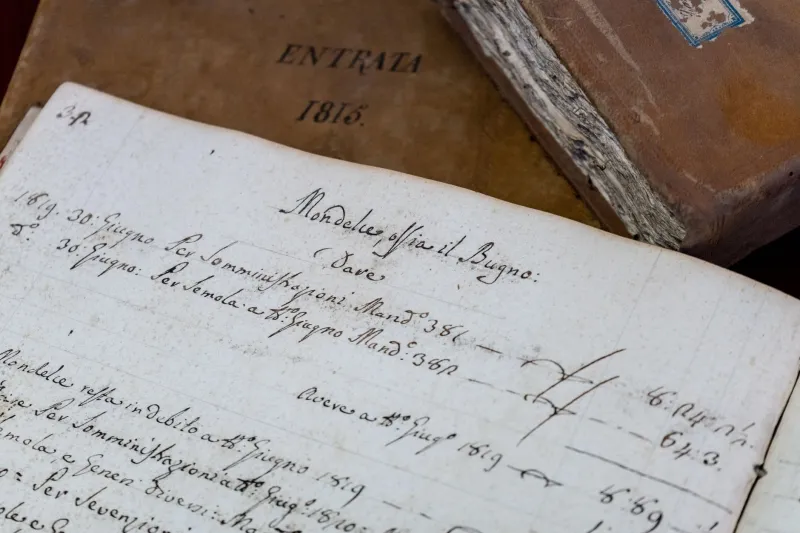
Photo: vintage Indian books open library shelves warm light literary collection, via img.freepik.com
Walk into any major independent bookstore in Chicago, Seattle, or Boston and ask for a Marathi novel in English translation. Chances are the selection will be thin — perhaps a single shelf, perhaps nothing at all. Yet in Maharashtra, the literary tradition stretches back centuries, encompassing poetry, social reform literature, spiritual philosophy, and modernist fiction that rivals the best of any world literary canon. The absence of these works from the American market is not a reflection of their quality. It is, rather, the result of decades of unresolved debate about translation priorities, cultural gatekeeping, and the practical realities of literary publishing.
That debate is now growing louder, and its outcome will shape how Marathi literature is introduced to American readers for years to come.
A Canon Rich in Complexity
The Marathi literary tradition presents translators and publishers with an almost overwhelming abundance of material. From the devotional poetry of the Varkari saints — Dnyaneshwar, Tukaram, Eknath — to the social reform writings of Mahatma Jyotirao Phule and Savitribai Phule, from the modernist fiction of V.S. Khandekar to the Dalit autobiography of Daya Pawar, the canon is not a single river but an entire watershed system. Each tributary carries its own historical weight, its own ideological commitments, its own stylistic demands.
For American readers unfamiliar with this landscape, the question of where to begin is not trivial. Literary critics in both India and the United States have long argued that the first translated work a reader encounters from any tradition tends to define their perception of that tradition entirely. The stakes of prioritization, therefore, are considerable.
"What we choose to translate first is essentially an act of editorial curation on a civilizational scale," says one Marathi literary scholar based at a prominent Midwest university. "We are deciding, perhaps for a generation, what American readers will understand Marathi literature to be."
The Saints Versus the Moderns
Among the most persistent fault lines in this debate is the question of whether to prioritize the classical devotional corpus or the twentieth-century modernist and social reform literature that speaks more directly to contemporary concerns.
Proponents of translating the Varkari poets first argue that these works represent the deepest roots of Marathi cultural identity. Tukaram's abhangas, for instance, are not merely religious verse — they are philosophical statements about caste, equality, and the relationship between the individual and the divine that resonate with remarkable immediacy even today. A well-executed English translation of Tukaram's complete works, advocates suggest, could find a natural audience among American readers already drawn to Rumi, Kabir, and other mystical poets available in translation.
Others push back firmly. They contend that leading with devotional literature risks framing Marathi culture in ways that are exotic or spiritually niche, potentially limiting broader readership. These critics favor prioritizing works like Khandekar's Yayati — already available in a limited English edition but deserving of a more contemporary translation — or the Dalit literary movement's foundational texts, which carry urgent social relevance that American readers grappling with their own conversations about race and systemic inequality would find profoundly resonant.
"There is a tendency to translate what is safe, what is already legible to Western literary sensibilities," observes one translator who has worked on both classical and contemporary Marathi texts. "But the works that would genuinely challenge and expand American readers — the Dalit memoirs, the feminist reform literature — those require publishers willing to take an editorial risk."
The Savitribai Phule Question
No figure in the current translation debate generates more consensus — and more frustration over the lack of action — than Savitribai Phule. A pioneering educator, poet, and social reformer of the nineteenth century, Phule's writings on women's education, caste discrimination, and human dignity constitute one of the most remarkable bodies of work in all of Indian literature. Yet a comprehensive, well-annotated English translation of her complete writings remains largely inaccessible to the American general reader.
For many scholars, this absence is symptomatic of a broader problem: the translation industry, even when it engages with South Asian literature, tends to favor works that fit established Western literary categories. Phule's writing is simultaneously poetry, political manifesto, and historical document. It resists easy categorization, and that resistance, critics argue, has made publishers hesitant.
The growing visibility of conversations around global feminism and postcolonial scholarship in American academic circles, however, is changing the calculus. Several university presses are reportedly in discussions about producing scholarly editions of Phule's work, and the appetite among American readers for women's voices from non-Western traditions has never been stronger.
Translation as Interpretation
Underlying every debate about which texts to translate is a deeper question about how to translate them. Marathi is a language of extraordinary textural richness, with regional dialects, caste-inflected vocabularies, and historical registers that resist clean equivalence in English. A translation that renders Tukaram's abhangas in formal English verse captures a certain dignity but may lose the raw, vernacular energy that made his poetry subversive in its own time. A translation that reaches for contemporary American idiom risks anachronism.
"Every translation is an argument about what the original meant," reflects one critic who teaches South Asian literature at an American liberal arts college. "And when you're translating across centuries and across cultures simultaneously, the argument becomes very complex indeed."
This is why several scholars advocate not for a single definitive translation of major Marathi classics but for multiple competing translations — much in the way that Homer, Dante, and Chekhov exist in numerous English versions in the American market. Multiple translations allow readers to triangulate meaning, to sense the dimensions of a text that no single version can fully capture.
What the Market Reveals
The commercial realities of American literary publishing add a further layer of complexity to this debate. Major trade publishers remain cautious about regional Indian literature in translation, citing uncertain market data and the high cost of quality translation work. The burden of introducing Marathi classics to American readers has therefore fallen largely on independent presses, university publishers, and diaspora-led organizations — institutions with genuine commitment but limited distribution reach.
This structural reality means that even the most deserving translations may find themselves consigned to academic library shelves rather than bookstore displays. Bridging that gap requires not only excellent translation work but sustained investment in literary promotion, author events, and the kind of sustained editorial advocacy that major publishers provide as a matter of course for their flagship titles.
A Conversation Worth Having
What the translation debate ultimately reflects is the vitality of Marathi literature itself. A tradition with nothing to offer would generate no argument about what to prioritize. The intensity of disagreement among scholars, translators, and publishers is, paradoxically, a mark of the canon's richness.
For American readers willing to seek out what is already available — and for the publishers and translators working to expand that availability — the invitation is an extraordinary one. Marathi literature offers not a single story about India but many: stories of spiritual seeking, social rebellion, modernist experimentation, and the quiet persistence of a language and a people who have always understood that words, carefully chosen and faithfully rendered, can travel anywhere.